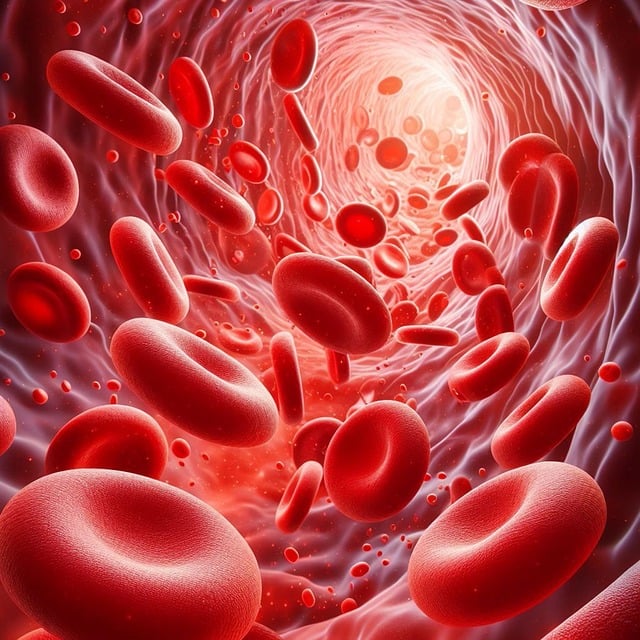
Liver Function Tests (LFTs) are key for evaluating liver health, with the UK Iron Blood Test emerging as a specialized tool focusing on blood iron levels. This test is crucial for detecting iron-related disorders that can impact liver condition, especially in high-absorption populations or those at risk of anemia. By measuring enzymes and proteins like ALT, AST, bilirubin, albumin, and prothrombin time (PT), LFTs help assess damage, inflammation, bile production, protein synthesis, and clotting ability. The UK Iron Blood Test, adopted by healthcare professionals, provides detailed insights into hepatocyte iron levels, enabling early detection and differential diagnosis of liver diseases like hemochromatosis, thus improving patient outcomes.
Advanced liver function tests, particularly the UK Iron Blood Test, offer medical professionals a powerful tool for assessing liver health. This comprehensive overview explores critical aspects of liver function testing, focusing on the role of iron in maintaining optimal liver condition. We delve into the indications for advanced tests, interpretive guidelines for UK Iron Blood Test results, and strategies for integrating test findings into patient management. By enhancing our understanding, we can revolutionize liver care.
- Understanding Liver Function Tests: A Comprehensive Overview
- The Role of Iron in Liver Health: What Medical Professionals Need to Know
- UK Iron Blood Test: Unlocking Advanced Liver Assessment
Understanding Liver Function Tests: A Comprehensive Overview
Liver Function Tests (LFTs) are a crucial diagnostic tool for medical professionals, providing insights into the health and functionality of the liver. These tests measure various enzymes and proteins produced by the liver, allowing doctors to assess its overall condition. In the UK, one advanced test that has gained significance is the Iron Blood Test, which goes beyond traditional LFTs by specifically evaluating iron levels in the blood, a critical factor in liver health.
Comprendre LFTs involves understanding that different enzymes indicate specific liver functions. For instance, elevated levels of alanine aminotransferase (ALT) and aspartate aminotransferase (AST) suggest liver damage or inflammation. Meanwhile, tests for bilirubin, albumin, and prothrombin time (PT) offer additional information about bile production, protein synthesis, and clotting ability, respectively. The Iron Blood Test, as a specialized LFT, is vital for identifying iron-related disorders that can impact liver health, particularly in populations with high iron absorption or those at risk of anaemia.
The Role of Iron in Liver Health: What Medical Professionals Need to Know
Iron plays a vital role in maintaining liver health, and its significance is often overlooked in standard liver function assessments. In the UK, an advanced approach to evaluating liver wellness involves comprehensive iron blood testing, offering medical professionals a deeper understanding of this essential mineral’s impact on hepatic (liver) functions. Iron is crucial for oxygen transport throughout the body, and any abnormalities in levels can indicate underlying liver issues.
Medical professionals should be aware that elevated iron stores, as indicated by ferritin levels, may suggest hemochromatosis, a condition where excessive iron accumulation damages organs, including the liver. Conversely, low iron levels (anemia) can lead to impaired liver enzymes and affect overall hepatic health. Thus, the UK Iron Blood Test is an indispensable tool for identifying iron-related disorders, enabling early intervention and potentially preventing severe liver damage.
UK Iron Blood Test: Unlocking Advanced Liver Assessment
In the pursuit of advanced liver function assessment, medical professionals in the UK have embraced the UK Iron Blood Test as a powerful tool. This innovative test goes beyond conventional measures by providing detailed insights into iron levels within hepatocytes, offering a nuanced understanding of liver health. By analysing the presence and concentration of iron in the blood, healthcare providers can detect subtle abnormalities indicative of liver diseases or conditions like haemochromatosis.
The UK Iron Blood Test plays a pivotal role in early detection and differential diagnosis, allowing for tailored treatment approaches. Its precision enables medical experts to assess not only iron overload but also the underlying causes, thereby facilitating more effective management strategies. This advanced assessment method has the potential to significantly impact patient outcomes, underscoring its importance in modern clinical practice.
In conclusion, advanced liver function tests, such as the UK Iron Blood Test, play a pivotal role in enhancing medical professionals’ assessment capabilities. By delving into the intricate relationship between iron and liver health, these tests unlock a more comprehensive understanding of liver function. This knowledge is invaluable for accurate diagnosis and effective management of liver-related conditions, ultimately fostering better patient outcomes.